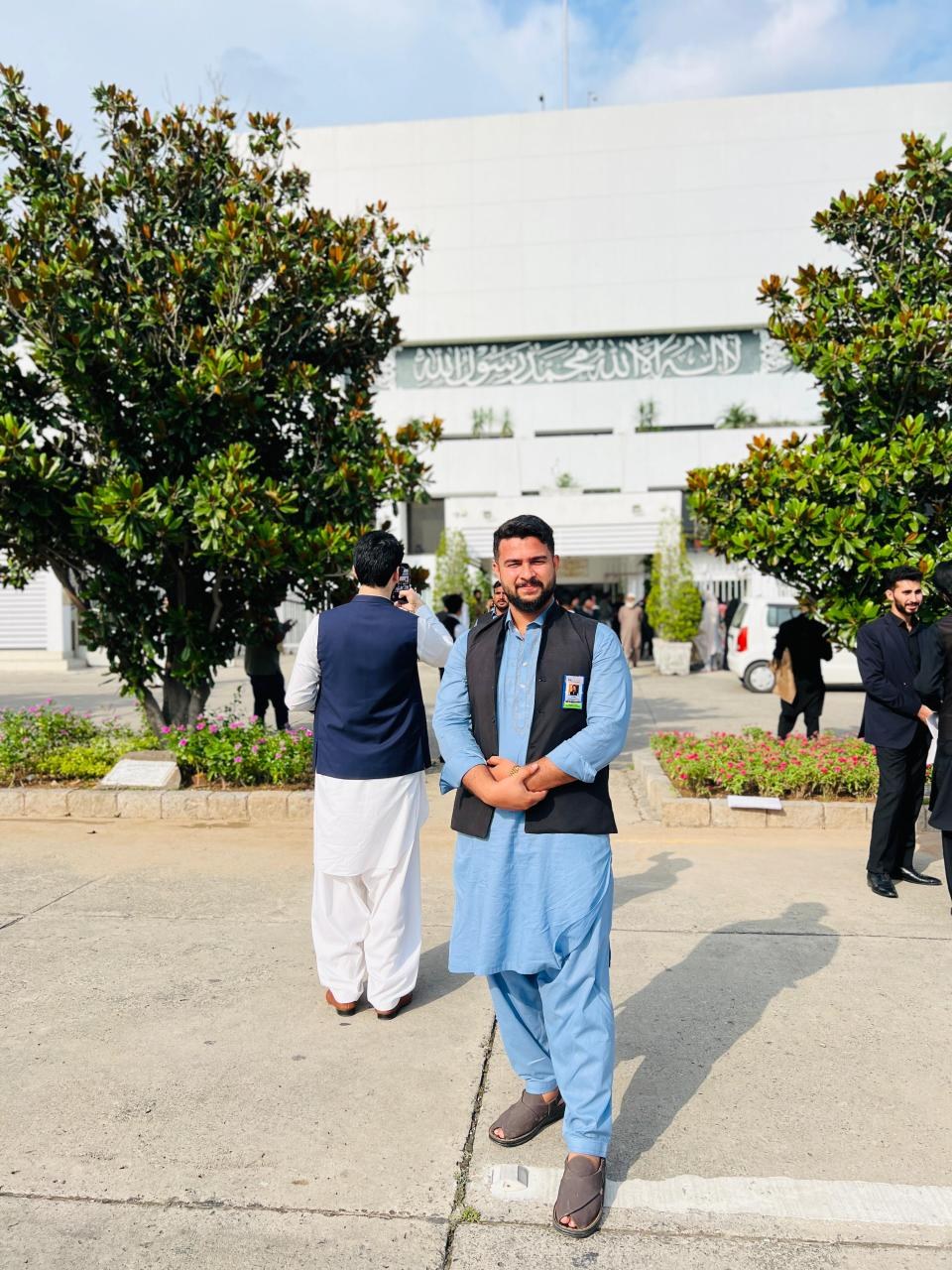

A reflection on responsibility, leadership, and the power of young people to create change.
Every year, International Youth Day gives us an opportunity to celebrate young people and recognize their role in shaping society. But I often find myself questioning one phrase we hear repeatedly: “Youth are the leaders of tomorrow.” What if we stopped saying tomorrow? What if we recognized that young people are already leading today?
They are teaching in classrooms, building businesses, volunteering in communities, creating technology, raising awareness about social issues, supporting vulnerable families, organizing campaigns, participating in civic life, and finding solutions to problems that previous generations sometimes struggled to address. Youth is not simply a phase of waiting. It is a phase of responsibility.
Leadership Begins Before the Title
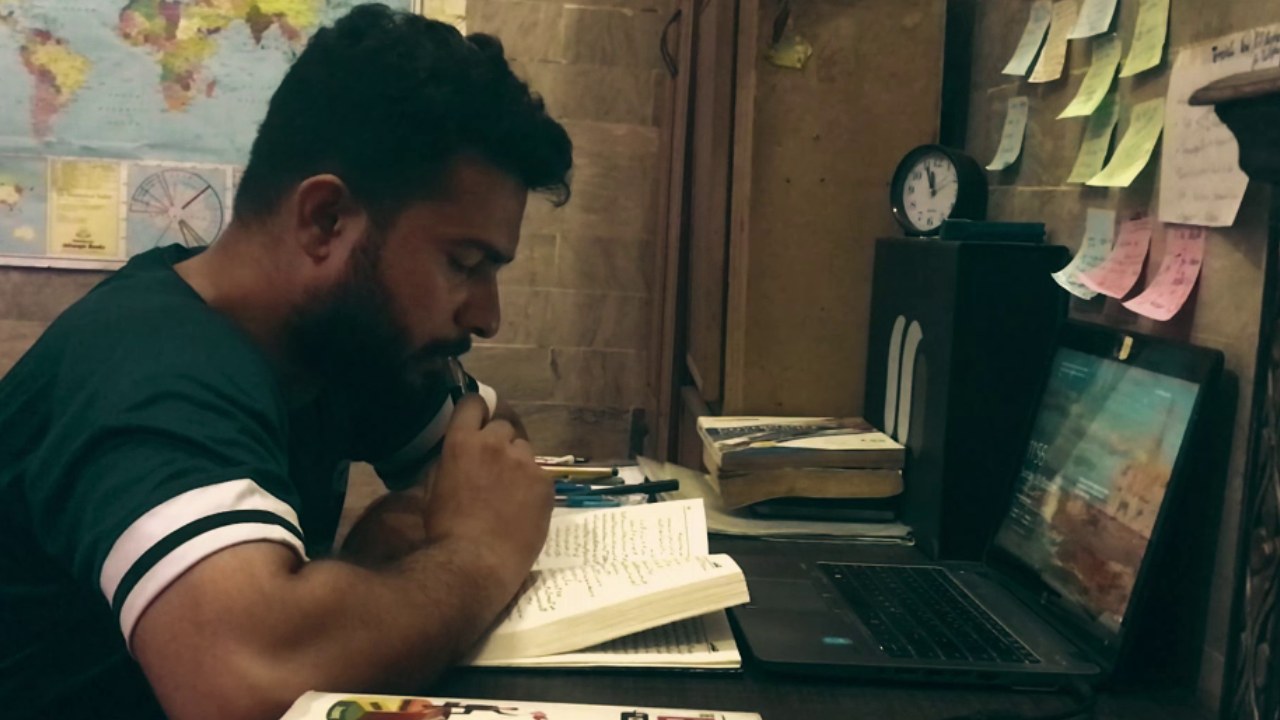
One of the biggest lessons I have learned through my own journey (through Yasmeen Foundation, Youth for Human Rights International) is that leadership does not necessarily begin with a designation. You don’t need to be a CEO, a politician, a founder, or the head of an organization to demonstrate leadership. Leadership can begin with something much simpler: seeing a problem and deciding that you will do something about it. It can be mentoring a student who needs guidance.
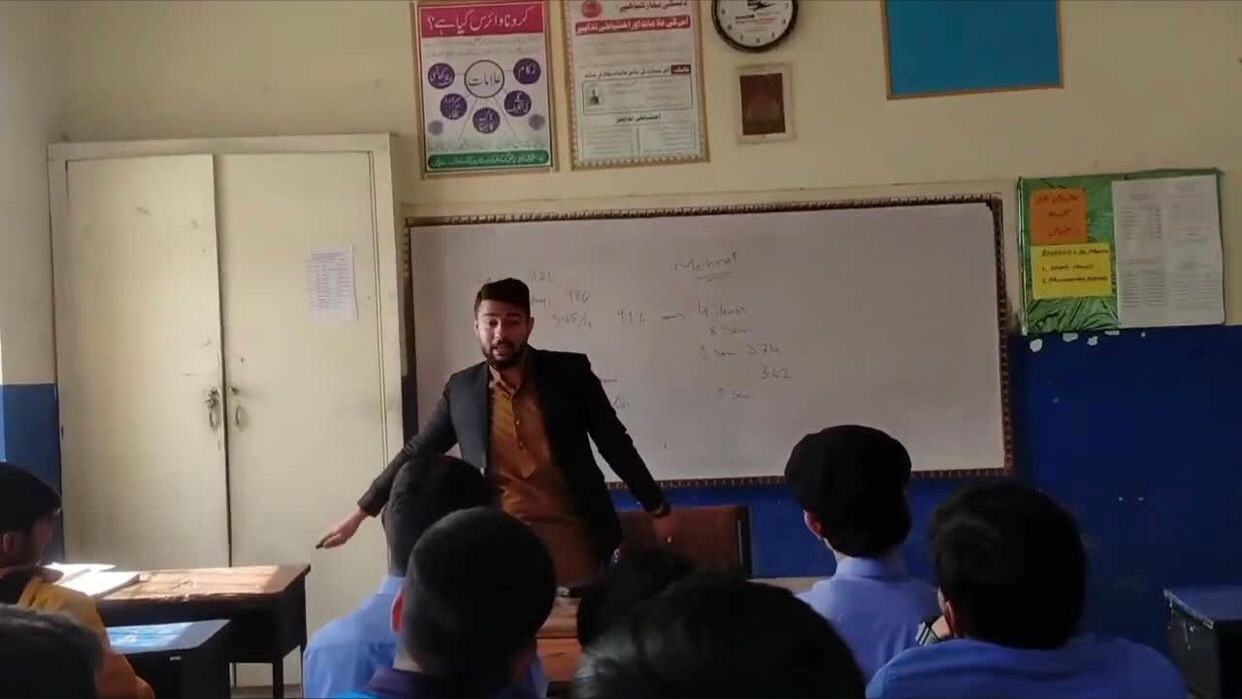
It can be volunteering your time for a community initiative. It can be helping a family going through difficult circumstances. It can be creating an opportunity for someone who has never had one. It can even be standing up and saying, “This can be done better.” These actions may not always make headlines, but meaningful change rarely begins with headlines—it begins with people who care enough to act.
My Experience With Youth Leadership
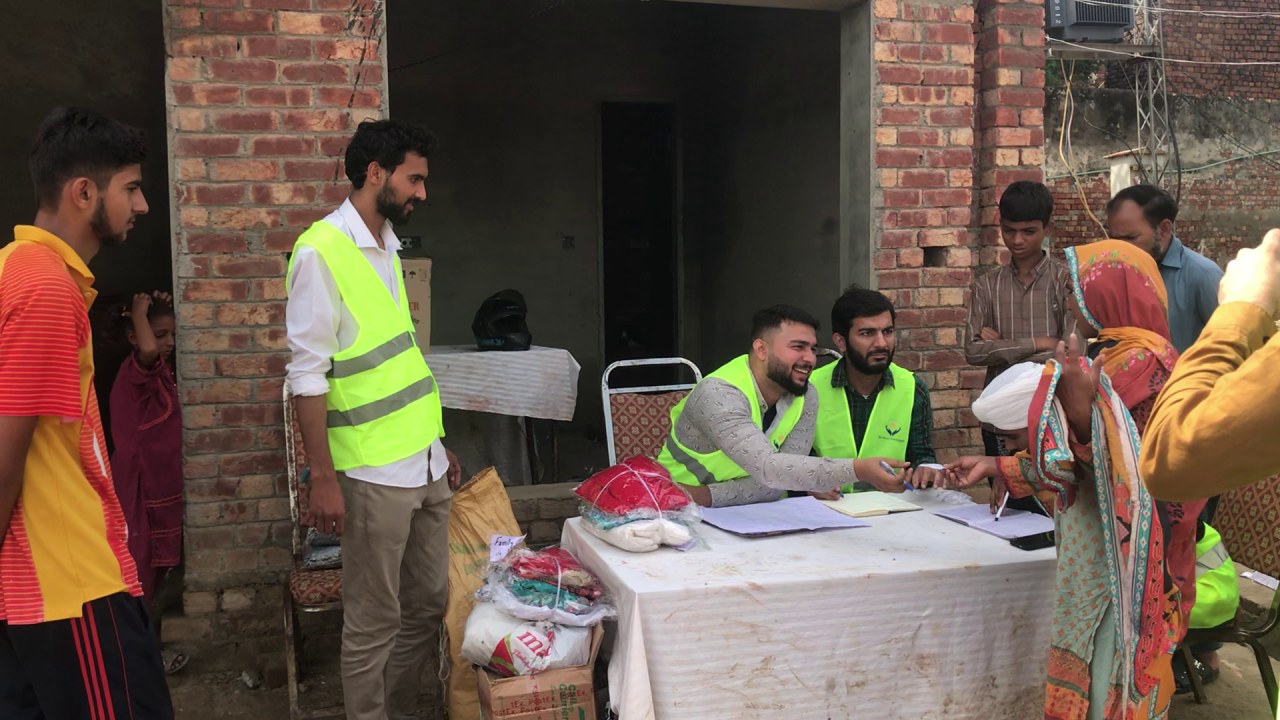
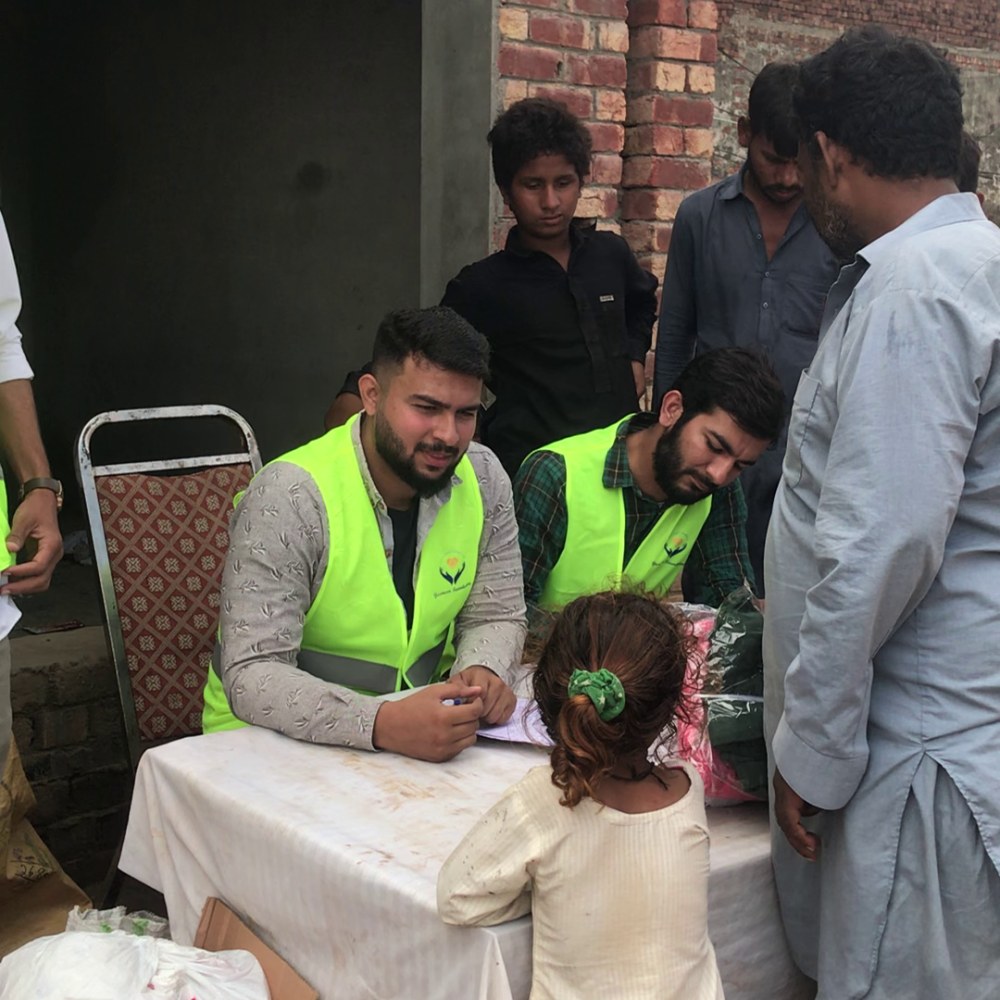
My own experiences working with young people have strengthened this belief. Through Yasmeen Foundation and Youth for Human Rights International – Lahore Chapter, I have had the opportunity to work alongside young volunteers who contribute their time, skills, and energy to community initiatives. What has inspired me most is not simply the number of people who participate—it is seeing young people take ownership. When you give young people responsibility, they don’t just complete tasks. They begin to think differently.
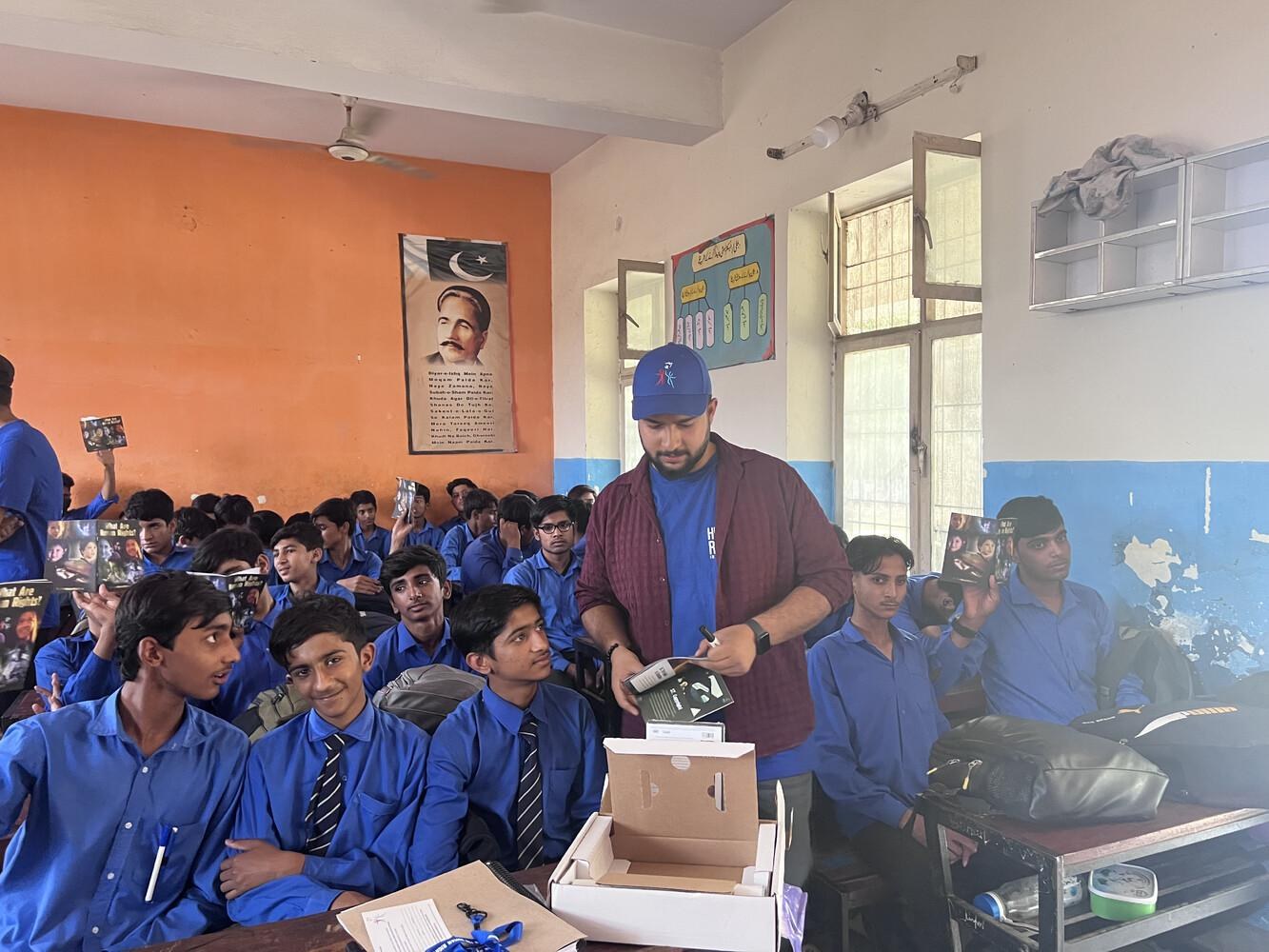
They start asking:
- How can we reach more people?
- How can we make this initiative sustainable?
- How can we help someone beyond providing immediate assistance?
- How can we create opportunities for others?
- What can we do differently next time?
That transition—from participation to ownership—is where I believe real youth leadership begins.
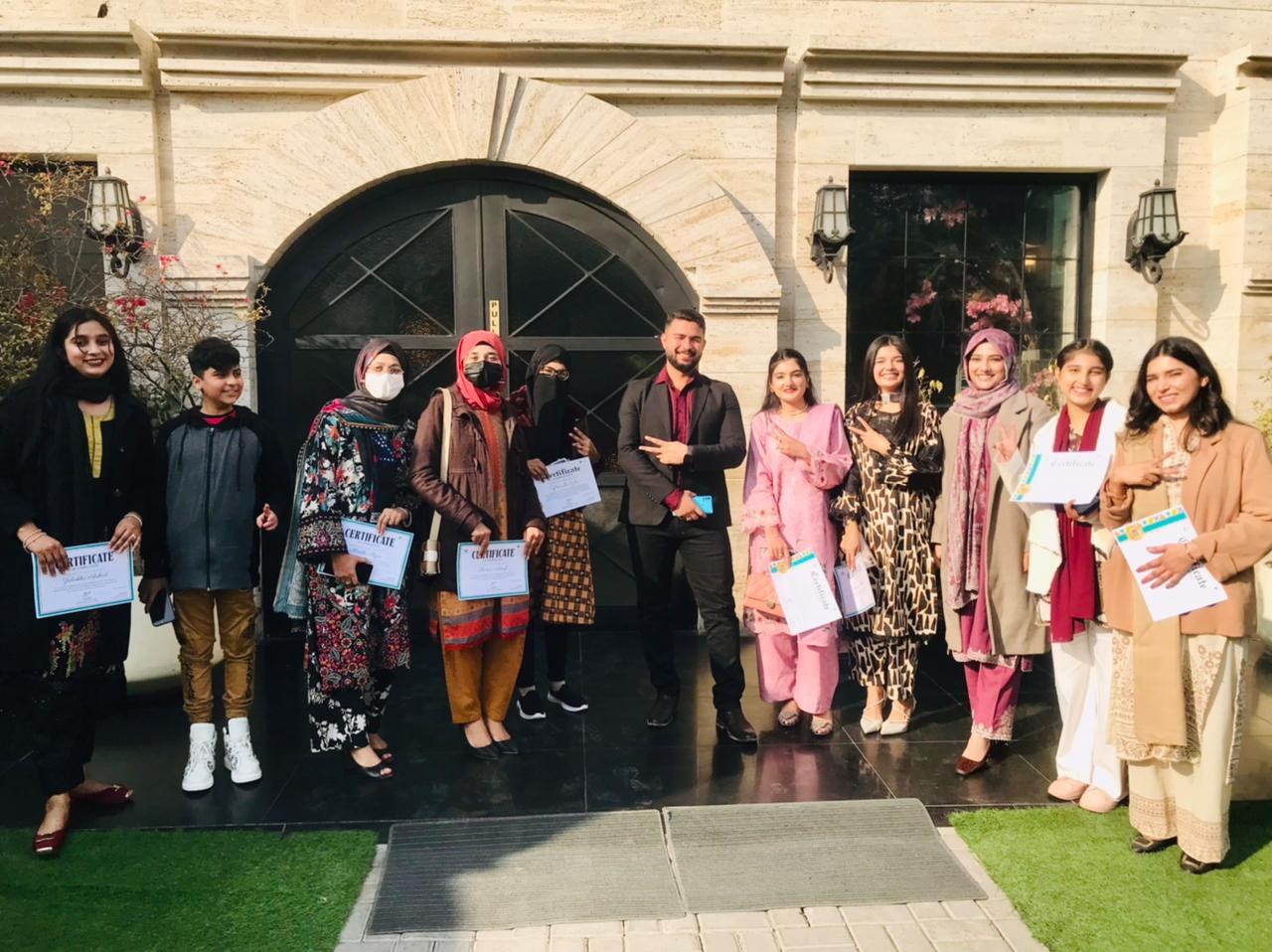
The Challenge: Opportunity, Not Potential
We often say that Pakistan has a large and talented youth population, and that is true. But potential alone is not enough. A young person can have talent but lack opportunity. They can have ideas but lack resources.
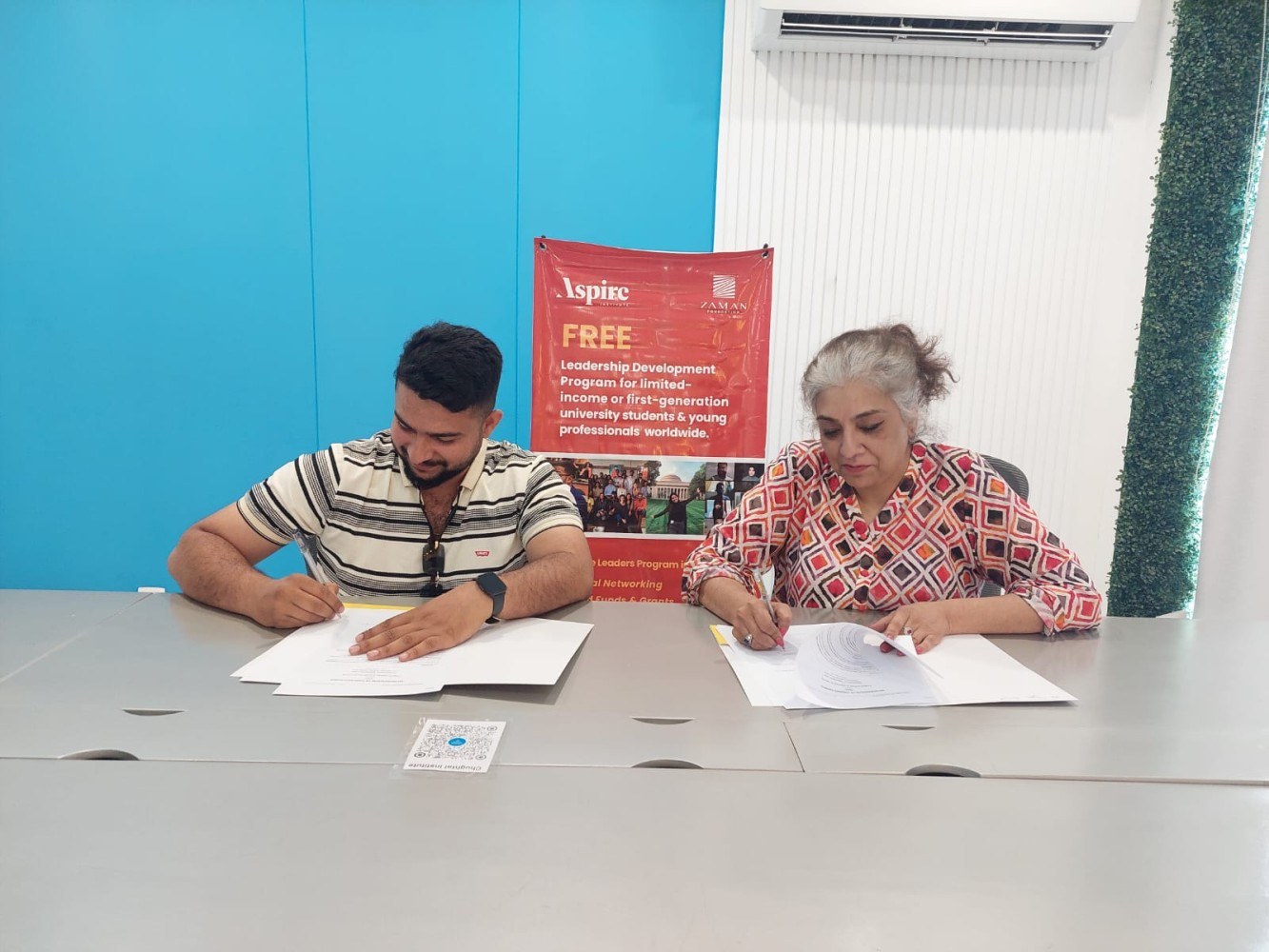
They can have ambition but lack mentorship. They can have the willingness to serve but lack a platform through which they can contribute. Therefore, the conversation around youth should not only be “What can young people achieve?” It should also be “What opportunities are we creating for them to achieve it?”
Youth empowerment cannot simply mean giving motivational speeches to young people. It means giving them skills, trust, platforms, mentorship, resources, and meaningful responsibility. And perhaps most importantly, it means allowing them to fail, learn, and try again.
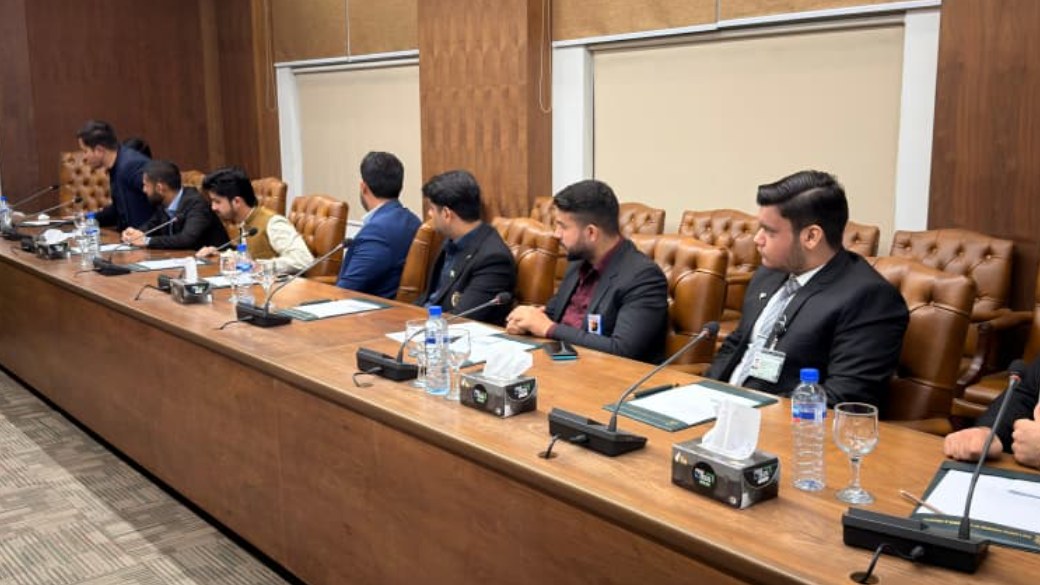
We Don’t Need to Wait for the Perfect Moment
One of the traps young people often fall into is waiting—waiting until we have more experience, more money, or the perfect team; waiting until someone gives us a position, or until we are “ready.” But sometimes, readiness comes after we begin. My experience has taught me that you can start small: with one student, one volunteer, one family, one book.
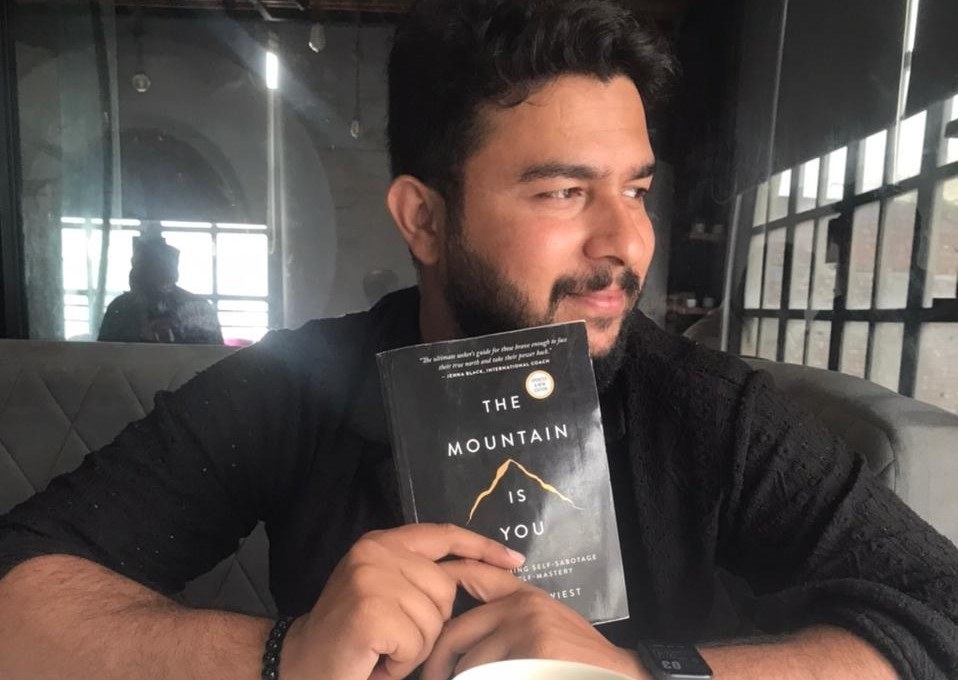
One workshop. One idea. One conversation. One act of service. The scale can come later. The willingness to begin comes first.
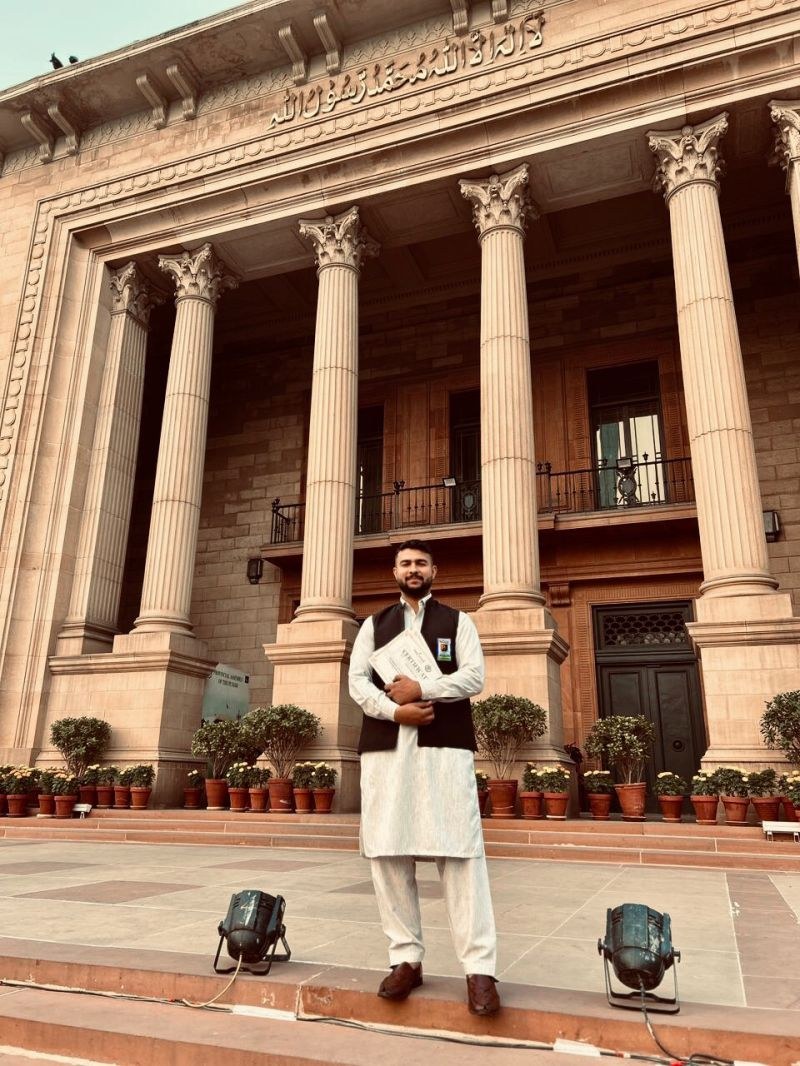
What Kind of Youth Do We Want to Be?
On International Youth Day, perhaps we should ask ourselves a different question—not “What will I become one day?” but “What am I contributing today?” Am I learning something that can help others? Am I creating opportunities? Am I supporting someone? Am I using my skills responsibly? Am I willing to step forward when something needs to be done?
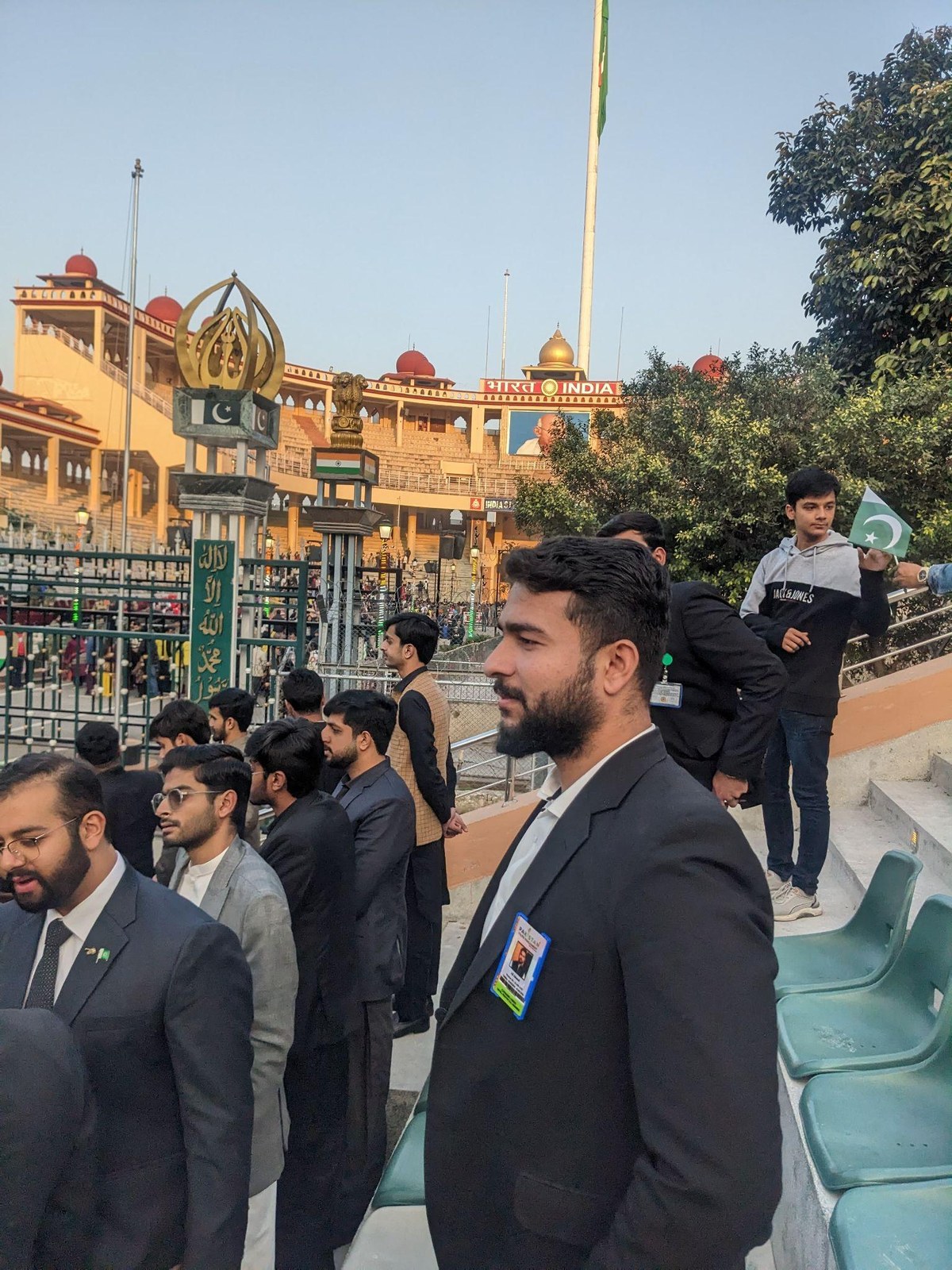
Am I becoming the kind of person I would want to see leading my community? These questions are more important than titles, because the future of a society is not determined only by the people sitting in positions of power. It is also shaped by millions of ordinary decisions made every day by ordinary people, and young people have the opportunity to influence those decisions right now.
From Being Beneficiaries to Becoming Changemakers
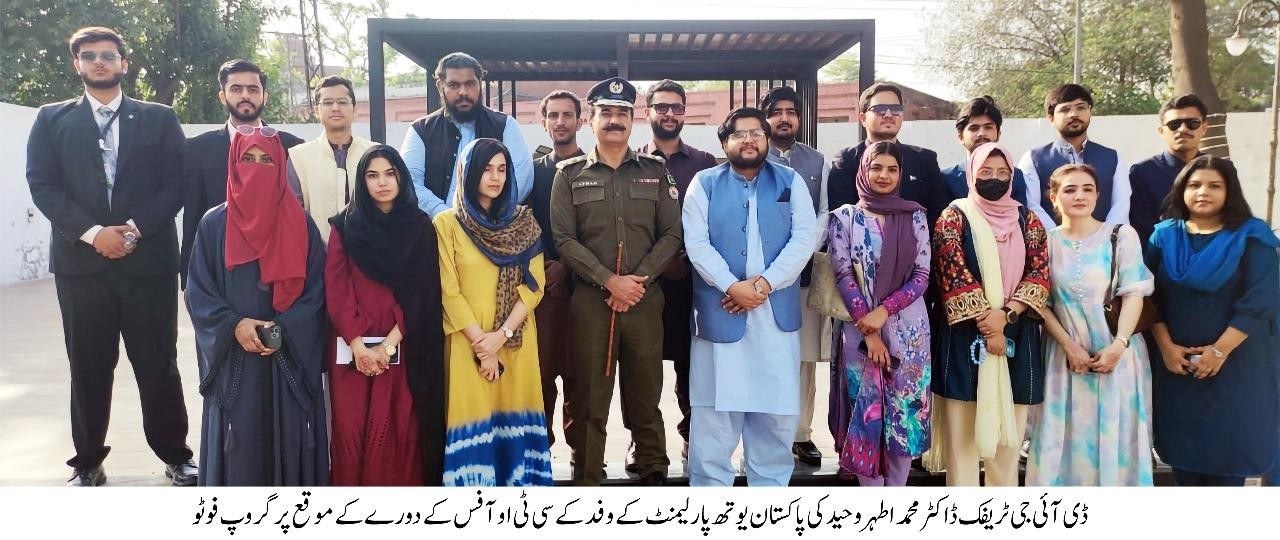
I believe the next stage of youth development should be about moving young people from being beneficiaries of change to becoming creators of change. Give a young person an opportunity, and they may change their own life. Give them responsibility, and they may change the lives of others. Give them a platform, and they may inspire an entire community.
This is why youth leadership matters—not because young people are automatically better leaders simply because they are young, but because they bring energy, curiosity, adaptability, courage, and a willingness to challenge the status quo. Our responsibility is to channel those qualities toward meaningful action.
A Message to Young People
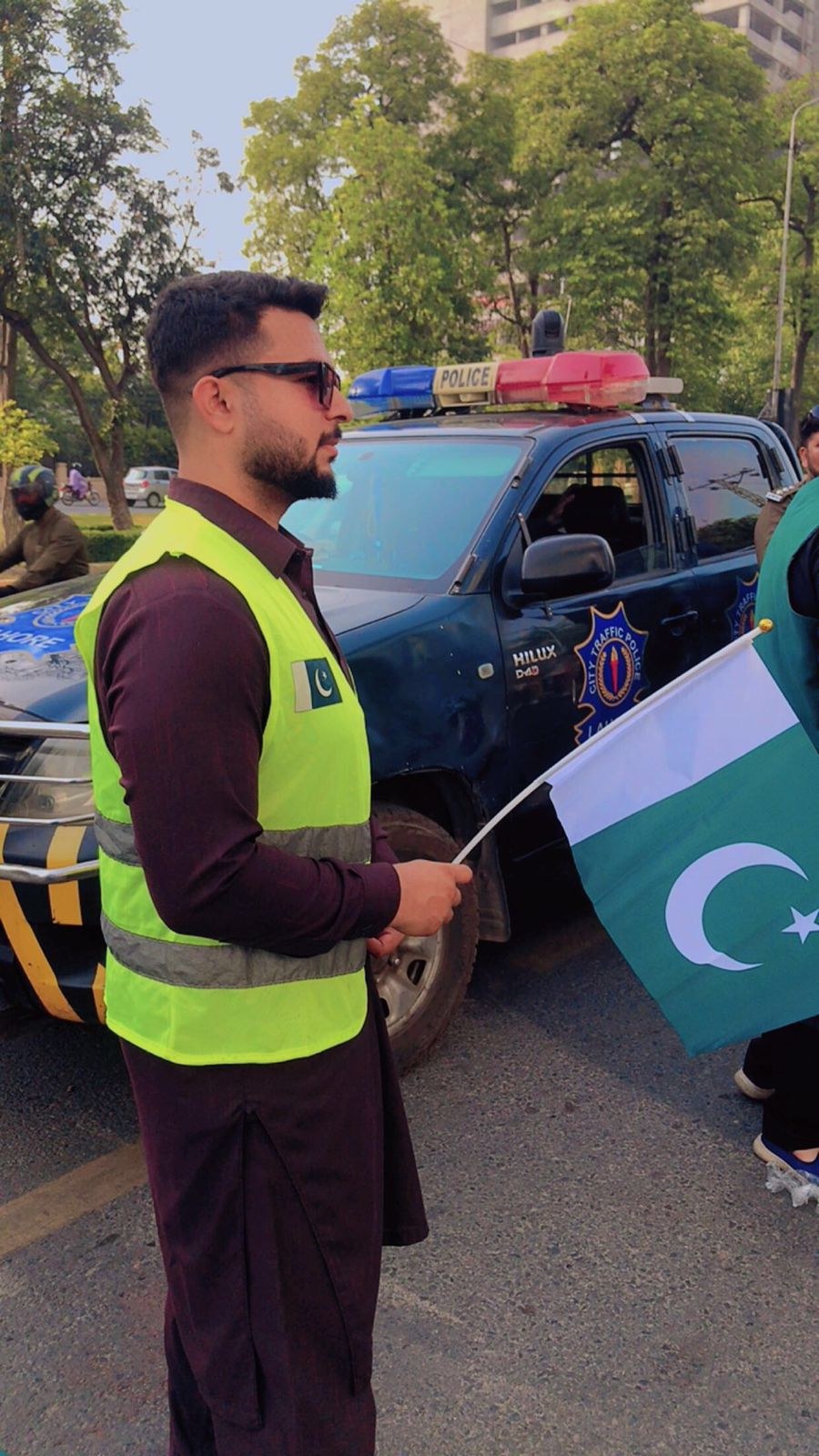
If you are young and reading this, don’t underestimate the value of what you can do today. You don’t need to have everything figured out. You don’t need to have thousands of followers. You don’t need a prestigious designation. You don’t need to wait for someone to call you a leader. Start where you are. Use what you have.
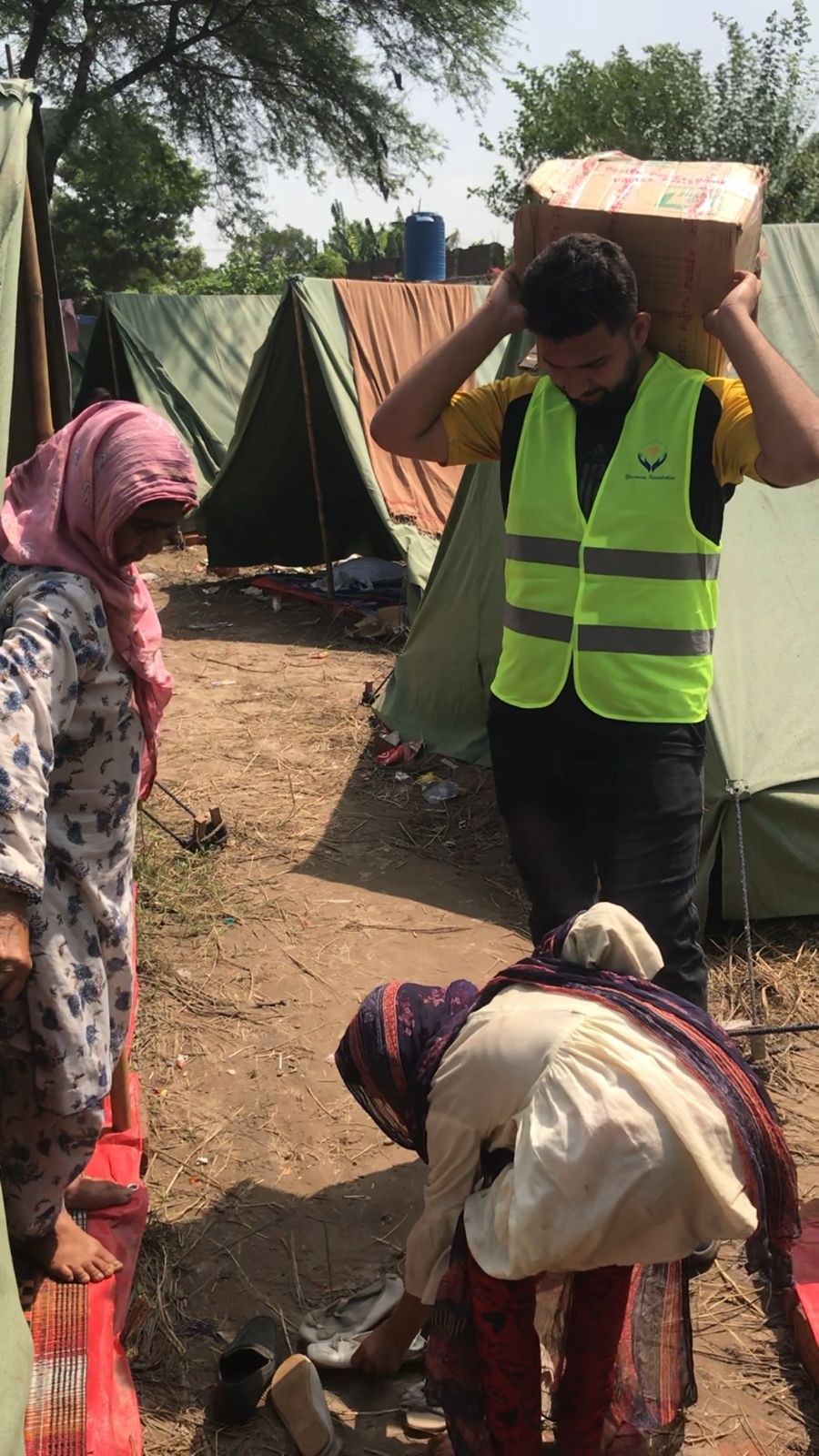
Learn continuously. Serve genuinely. Build patiently. And bring others with you, because leadership becomes meaningful when it creates space for others to grow.
Looking Beyond International Youth Day
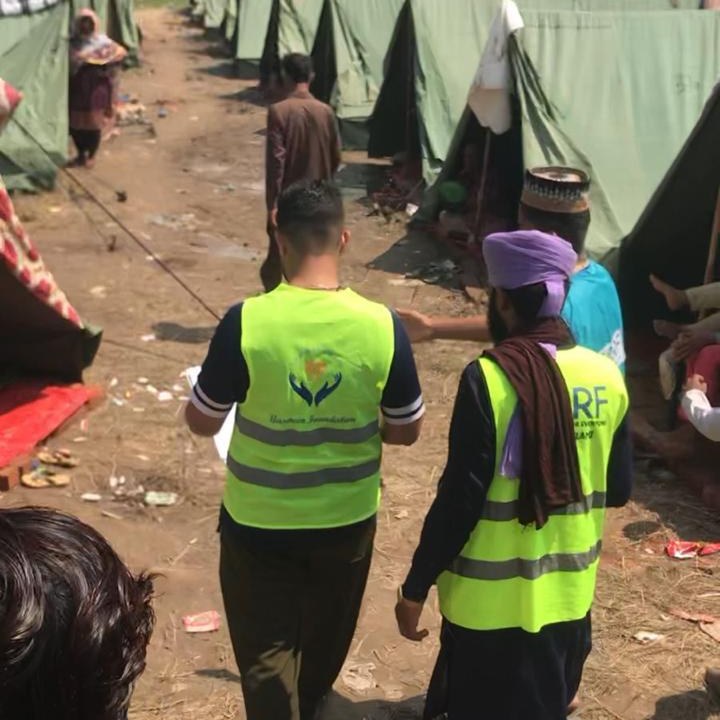
International Youth Day should not be just another date on the calendar when we publish photographs, quotes, and congratulations. It should be a reminder—a reminder that young people deserve to be heard, trusted, equipped, and included. And it should also remind young people that with opportunity comes responsibility.
We cannot ask society to trust young people while refusing to take responsibility ourselves. We cannot demand change while remaining spectators. We cannot keep calling ourselves the leaders of tomorrow if we are unwilling to lead today.
Youth is not the future. Youth is the present—and the choices we make today are already shaping the future.
Happy International Youth Day to every young person who is learning, building, serving, questioning, failing, trying again, and creating change in their own way. Let us not wait for the future to arrive. Let us take responsibility for creating it.